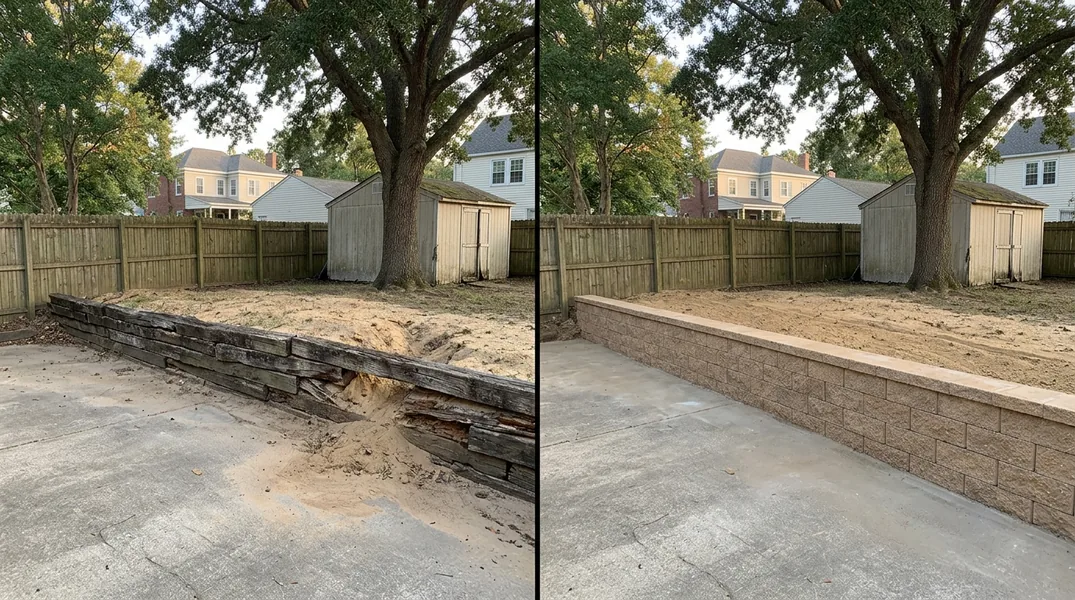
Do You Need a Permit for a Retaining Wall in Norfolk? The Short Answer
If you are planning a retaining wall on your property in Norfolk, the first question you should ask is whether the project requires a building permit. The short answer is that it depends on the wall's height, location, and the specific requirements of the city's building department. In most jurisdictions, including Norfolk, a retaining wall that is 4 feet or taller, measured from the bottom of the footing to the top of the wall, typically requires a permit and may need engineered plans or a site plan review.
Walls under 4 feet are often exempt from permitting, but that is not a blanket rule. Even a shorter wall can trigger a permit if it is located near a property line, in a flood zone, or if it is part of a larger grading or drainage project. Because Norfolk has areas prone to flooding and varying soil conditions, it is always wise to verify the current rules with the city before you dig. A professional Retaining Wall Installation contractor can help you determine whether your project needs a permit and guide you through the process.
The 4-Foot Retaining Wall Permit Rule Explained
The 4-foot retaining wall permit rule is one of the most common thresholds homeowners encounter. In many Virginia localities, a wall that is 4 feet or less in height, measured from the base of the wall to the top, may be built without a building permit. However, this exemption often comes with conditions. For example, the wall may need to be set back a certain distance from property lines, and it may not be allowed to obstruct drainage or create a hazard. If the wall is taller than 4 feet, or if it supports a surcharge (such as a driveway or a structure above), a permit is almost always required.
It is important to understand that the 4-foot rule is not a free pass to build without any oversight. Many cities require a permit for any retaining wall that is part of a larger construction project, even if the wall itself is under 4 feet. Additionally, if the wall is located in a floodplain or a designated resource protection area, additional permits or reviews may apply. Homeowners in Virginia Beach and Chesapeake face similar rules, so it is always best to check with the local building department before proceeding.
Retaining Wall Height Limit: What Norfolk Homeowners Should Know
Beyond the permit threshold, there is also a question of maximum height limits for retaining walls. In Norfolk, as in many other cities, there is no single universal height limit that applies to every wall. Instead, the allowable height depends on the wall's design, the soil conditions, and the presence of a geotechnical report. Typically, walls up to 4 feet can be designed with standard details, while walls between 4 and 6 feet may require engineering, and walls taller than 6 feet often require a full structural design and a permit.
It is also important to consider that height limits may be affected by zoning ordinances, especially if the wall is located in a front yard or near a street. Some neighborhoods have overlay districts or design guidelines that restrict wall height and materials. Before you finalize your plans, consult with a local contractor who understands Norfolk's zoning and building codes. They can help you determine the maximum allowable height for your specific property and ensure your project complies with all applicable regulations.
Why Permits Matter for Retaining Wall Safety and Value
Some homeowners view permits as an unnecessary hassle, but they serve a critical purpose. A retaining wall is a structural element that holds back soil and bears significant loads. If it is not designed and built correctly, it can fail, causing property damage, injury, or even loss of life. The permit process ensures that your wall is reviewed by a qualified plan reviewer and inspected during construction to verify that it meets minimum safety standards. This is especially important in Norfolk, where soil conditions and water tables can vary significantly from one neighborhood to the next.
In addition to safety, permits protect your investment. If you ever sell your home, a buyer's inspector may flag an unpermitted retaining wall, which can delay or derail the sale. Unpermitted work can also void your homeowner's insurance coverage if a failure occurs. By obtaining the proper permits, you demonstrate that the work was done legally and to code, which adds value and peace of mind. If you need help with Retaining Wall Repair or are planning a new wall, a professional contractor can handle the permitting process for you.
Retaining Wall Installation Near Me: When to Call a Pro
If you are researching retaining wall permits and height limits, you may be wondering whether you can handle the project yourself. While small, decorative walls under 2 feet can sometimes be a DIY project, most retaining walls require professional expertise. A qualified contractor will not only ensure the wall is built to code but will also handle the permitting, engineering, and inspections. This is especially important in Portsmouth and Norfolk, where local regulations and soil conditions can be challenging.
When you search for retaining wall installation near me, look for a company that is insured, and experienced with local codes. Norfolk Retaining Wall is a local company that specializes in Concrete Retaining Walls and other retaining wall systems. We can help you determine whether your project needs a permit, assist with the application, and build a wall that is safe, durable, and compliant. If you are considering a Retaining Wall Replacement, we can also advise on whether the existing wall was permitted and what is required for the new one.
Retaining Wall Permit Cost and What to Budget
When budgeting for a retaining wall, don't forget to include permit fees. Permit costs vary depending on the city and the scope of the project, but they are typically a few hundred dollars. In Norfolk, permit fees are based on the valuation of the project, so a larger, engineered wall will cost more to permit than a simple 4-foot wall. You may also need to pay for a survey, geotechnical report, or engineered drawings, which can add to the total cost. It is best to get a detailed pricing breakdown from your contractor that includes permit fees and any associated professional services.
To get an accurate idea of what your project will cost, including permits, contact Norfolk Retaining Wall for a free estimate. We can walk you through the permit requirements, help you understand the height limits, and provide a transparent quote for your retaining wall project. Call us at (757) 960-7978 to schedule your consultation today.
Looking for a professional retaining wall contractor in Norfolk? Norfolk Retaining Wall responds fast for all your retaining wall needs.
Get a Free QuoteOur services: Retaining Wall Installation · Retaining Wall Repair · Retaining Wall Replacement